


.png) Contact
Contact .png) Call Us
Call Us .png) Book Online
Book Online in New York and New Jersey






Lower back pain can slowly take over a person’s routine. It can make sitting at work harder, interrupt sleep, limit exercise, and turn simple daily activities into something that requires planning. For some patients, it’s a short-term flare. For others, it becomes chronic back pain that keeps returning and starts to affect quality of life.
At The Institute for Comprehensive Spine Care, lower back pain treatment starts with understanding what’s actually driving the pain. The practice treats patients across New York and New Jersey with a clear, practical approach that focuses on diagnosis first, conservative care when appropriate, and surgery only when it’s truly necessary.
Lower back pain treatment refers to the medical care used to diagnose, manage, and treat pain in the lower back. That may include physical therapy, medication, injections, physical medicine, or surgery, depending on the cause.
Back pain can come from several types of problems in the spine, including strained muscles, arthritis, slipped discs, spinal stenosis, inflammation, or injury. Some patients feel pain only in the lower back. Others develop symptoms that travel into the legs, including sciatica, numbness, or weakness, which may point to irritated nerve roots.
Because back pain has many possible causes, effective treatment begins with identifying the root cause rather than chasing temporary relief.

The right lower back pain treatment can make everyday movement feel more manageable, reduce stress on the spine, and help patients return to a more stable routine with less interruption.
Benefits may include:
Lower back pain treatment may be right for patients whose symptoms aren’t improving, keep returning, or interfere with work, sleep, exercise, or normal life. Many patients have already tried rest, topical pain relievers, stretching, or medication before seeking more structured care.
Candidates often include those with chronic back pain, sciatica, arthritis, spinal stenosis, posture-related strain, or lingering pain after a traumatic accident. The practice pays especially close attention when symptoms include pain into the legs, muscle weakness, or reduced ability to walk comfortably, since those signs may point to nerve compression.
Treatment can address a wide range of lower back conditions and symptoms, depending on what part of the spine is involved.
Physical therapy helps strengthen supporting muscles, improve posture, and reduce stress on the lower back.
Medication may include anti-inflammatory drugs, muscle relaxants, or nerve-related pain treatment to reduce inflammation and relieve pain.
Injections can help calm irritated nerves or joints and are often used in pain management for arthritis, sciatica, and spinal stenosis.
A spinal cord stimulator may help select patients with chronic pain that hasn’t improved with other treatments.
When conservative treatments no longer help, surgery may be recommended to remove pressure from nerves or stabilize part of the spine. Surgical treatment options may include microdiscectomy, lumbar decompression, spinal fusion, or artificial disc replacement.
Your consultation begins with a detailed discussion of symptoms, medical history, prior treatment, and how pain affects daily life. The team reviews when the pain started, how long it lasts, whether it travels into the legs, and what seems to make it better or worse.
A physical exam helps assess posture, mobility, muscle strength, reflexes, and nerve function. Imaging such as X-rays, MRI, or CT scans may be used to evaluate the spinal canal, bones, discs, and surrounding structures. In some cases, blood tests may also be ordered to rule out other conditions.
This process helps the practice connect the scan to the patient’s actual symptoms and build a treatment plan that fits.
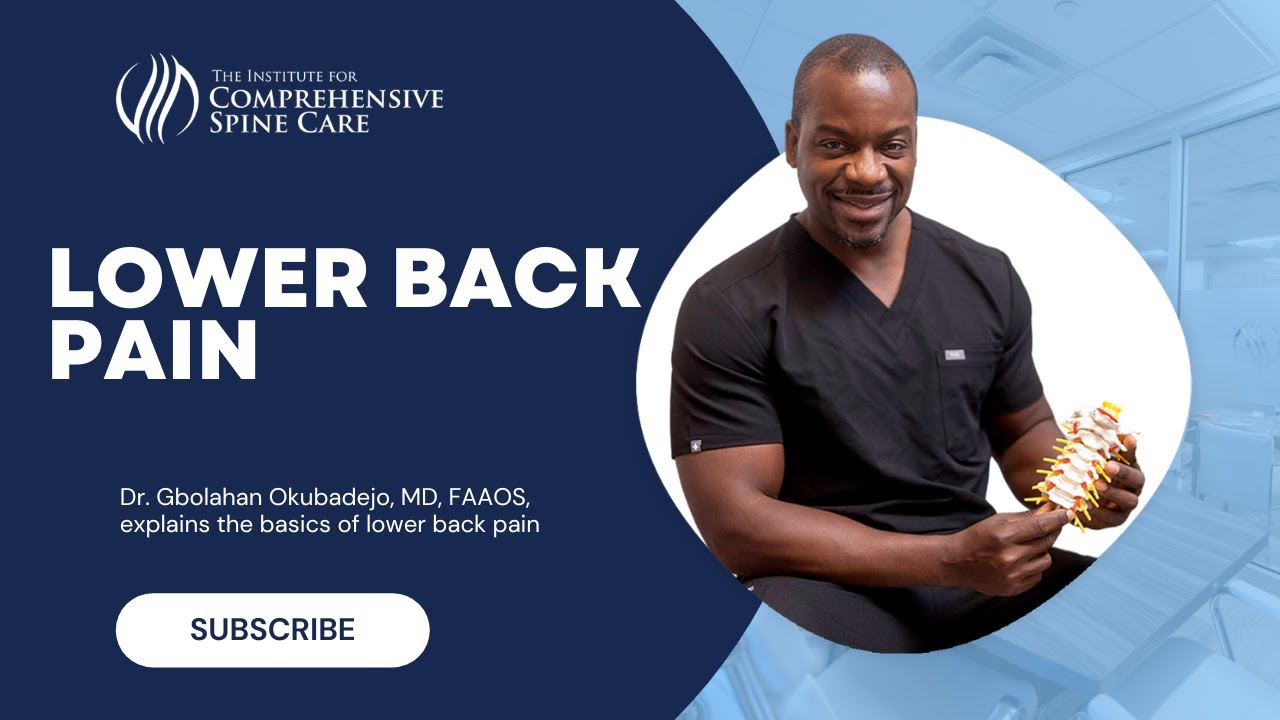
"Surgery has an important role, but it’s not where every patient starts. I believe in being honest, practical, and thorough, so you can feel at ease knowing your treatment plan is based on your symptoms, your function, and what your spine actually needs." - Dr. Okubadejo

Treatment depends on the diagnosis. Many patients begin with conservative treatments such as physical therapy, medication, physical medicine, and injections. These approaches are often enough to reduce inflammation, improve function, and provide back pain relief without surgery.
If surgery is necessary, it’s typically because pain remains severe, function is declining, or the spinal cord or nerve roots are under enough pressure to cause weakness or ongoing symptoms. When that happens, the practice uses the least disruptive method that will properly treat the problem. Many procedures are performed using minimally invasive techniques and are often outpatient.
Recovery varies by treatment, but aftercare is always an important part of the process. After non-surgical care, patients may continue physical therapy and make changes to posture, movement, or activity level to prevent the same issue from returning.
After surgery, patients receive specific guidance on walking, lifting, sitting, and returning to work or exercise. Some feel relief quickly. Others improve over several weeks, especially if nerves have been irritated for a long time. The goal is steady progress, reduced pain, and better function over time.
Results depend on the cause of pain, how long symptoms have been present, and the type of treatment used. Many patients improve with non-surgical care alone. Others need surgery to relieve pressure on nerves, address severe spinal disorders, or restore function when pain treatment hasn’t been enough.
Most patients experience relieved pain, improved movement, and the ability to go back to normal activities with fewer limitations.
The cost of lower back pain treatment depends on the diagnosis and the type of care involved. A patient with muscle strain or poor posture won’t need the same treatment options as someone with chronic back pain, slipped discs, or spinal stenosis.
During consultation, we'll review the recommended treatment, explain why it’s being considered, and help patients understand next steps, including insurance and scheduling.
Patients choose The Institute for Comprehensive Spine Care because we combine the attentiveness of a private setting with the experience of highly trained spine surgeons. Our team focuses on accurate diagnosis, clear communication, and practical treatment recommendations that reflect what the patient is actually experiencing.
Led by Gbolahan Okubadejo, MD, FAAOS, the practice is known for a thoughtful approach to back pain treatment across New York and New Jersey. Conservative care is considered first. Surgery is recommended when it fits the situation and when it’s most likely to protect function or provide meaningful relief.
Lower back pain doesn’t always stay manageable on its own. If your pain has become chronic, is affecting work or sleep, or is starting to travel into your legs, it may be time to seek a more complete evaluation.
At The Institute for Comprehensive Spine Care, patients can expect lower back pain treatment that’s informed, personalized, and grounded in real-life function. We're here to help each patient understand what’s causing the pain and move forward with care that fits.
Common causes include muscle strain, poor posture, arthritis, slipped discs, spinal stenosis, inflammation, and injury.
Patients should seek care when pain lasts for several weeks, keeps returning, becomes severe, or affects daily activities.
Yes. Many patients improve with physical therapy, medication, injections, and other conservative treatments.
Sciatica, numbness, weakness, and pain in the legs may suggest nerve roots are irritated or compressed.
Surgery may be recommended when conservative care hasn’t worked or when weakness, nerve pressure, or worsening function becomes a concern.