

.png) Contact
Contact .png) Call Us
Call Us .png) Book Online
Book Online in New York & New Jersey







That sharp, radiating heat that travels from your neck into your fingertips, or the dull ache that seems to get worse every time you reach for your phone, is often more than just a tight muscle.
It could be cervical radiculopathy, where the spinal nerve roots in your neck become pinched by a herniated disk or bone spurs. We recognize the extreme effects this can have on your daily life, from making your arm feel heavy to causing persistent upper extremity pain. At the Institute for Comprehensive Spine Care, under the guidance of Dr. Gbolahan Okubadejo, our team is committed to providing individualized NYC & NJ cervical radiculopathy treatment plans that can help you reclaim your quality of life.
Cervical radiculopathy is a neck condition that occurs when a spinal nerve in the neck becomes compressed or inflamed. This mechanical issue sends sensations well beyond the neck area. You feel these effects as sharp pain down the arm, persistent tingling in the hand, or muscle weakness that makes daily tasks difficult.
This condition stems from a pinched nerve caused by a herniated disc or bone spurs. Our team focuses on identifying the specific source of this nerve root irritation. We provide a clear, actionable plan for recovery.

Common causes include:
You might experience sharp or burning pain, electric-like tingling, muscle weakness, or loss of coordination, especially with head or neck movement.
Cervical radiculopathy treatment is the specialized process designed to effectively decompress the irritated nerve root in the neck and restore structural harmony to the cervical spine. The goal is clear: to treat cervical radiculopathy by resolving the core nerve compression rather than simply masking the cervical radiculopathy symptoms like arm pain.
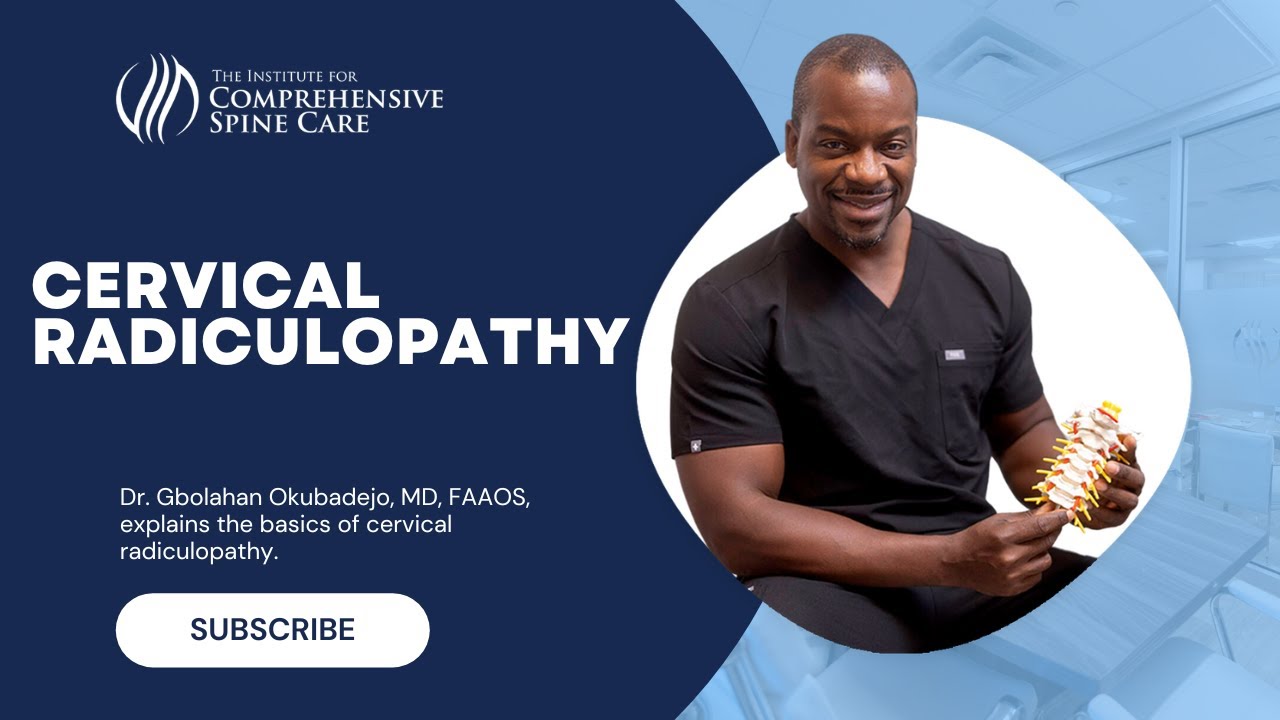
The approach always starts with the least invasive, most evidence-based therapies and escalating only when necessary. Dr. Gbolahan Okubadejo, MD, FAAOS, ensures that every treatment plan is preceded by a meticulous diagnostic phase (cervical radiculopathy diagnosis) to precisely locate the source of the compression, which guides the entire process. This initial phase is critical, as successful treatment depends on identifying the exact cause, whether it is an acute herniated disc or chronic pressure from a bone spur.

The Institute of Comprehensive Spine Care utilizes advanced diagnostic services to accurately diagnose and locate the extent of your cervical radiculopathy, ensuring effective treatment. These services include:
Effective cervical radiculopathy treatment moves beyond simply managing discomfort; it actively restores your quality of life. The benefits of addressing this condition are both immediate (pain relief) and long-term (functional independence). Treatment is designed to eliminate the physical constraints that prevent you from living life to the fullest.
Treatment achieves the following tangible improvements:
Cervical radiculopathy treatment is a targeted intervention that addresses the full spectrum of symptoms of cervical radiculopathy caused by a compromised nerve root in the neck.
The most immediate concern for any patient is the persistent, often debilitating cervical radiculopathy pain that radiates from the neck into the shoulder or arm. Treatment for cervical radiculopathy, whether through epidural steroid injection or surgical decompression, focuses on reducing inflammation and eliminating the pressure source, thereby addressing the source of the pain and preventing chronic pain.
When an affected nerve is compressed, its ability to transmit sensory signals is disrupted, resulting in paresthesia (numbness or tingling). By physically creating more space for the spinal nerve roots, the radiculopathy treatment allows the nerve to regain normal function, resolving these uncomfortable and distracting other symptoms.
Severe or long-standing compression can lead to motor deficits, manifesting as muscle weakness in specific areas of the upper extremity pain. Surgical decompression is often medically necessary in these cases to relieve the nerve quickly, preventing permanent damage and allowing the muscles to regain strength through subsequent physical therapy.
You may be a candidate if:
Patients with severe or progressing weakness, or those who have lost fine motor control, may need surgical evaluation sooner to avoid permanent nerve damage.

Your path toward relief begins with a focused and comprehensive consultation with Dr. Okubadejo and his specialized team. The consultation is designed to move beyond symptom description to a precise cervical radiculopathy diagnosis.
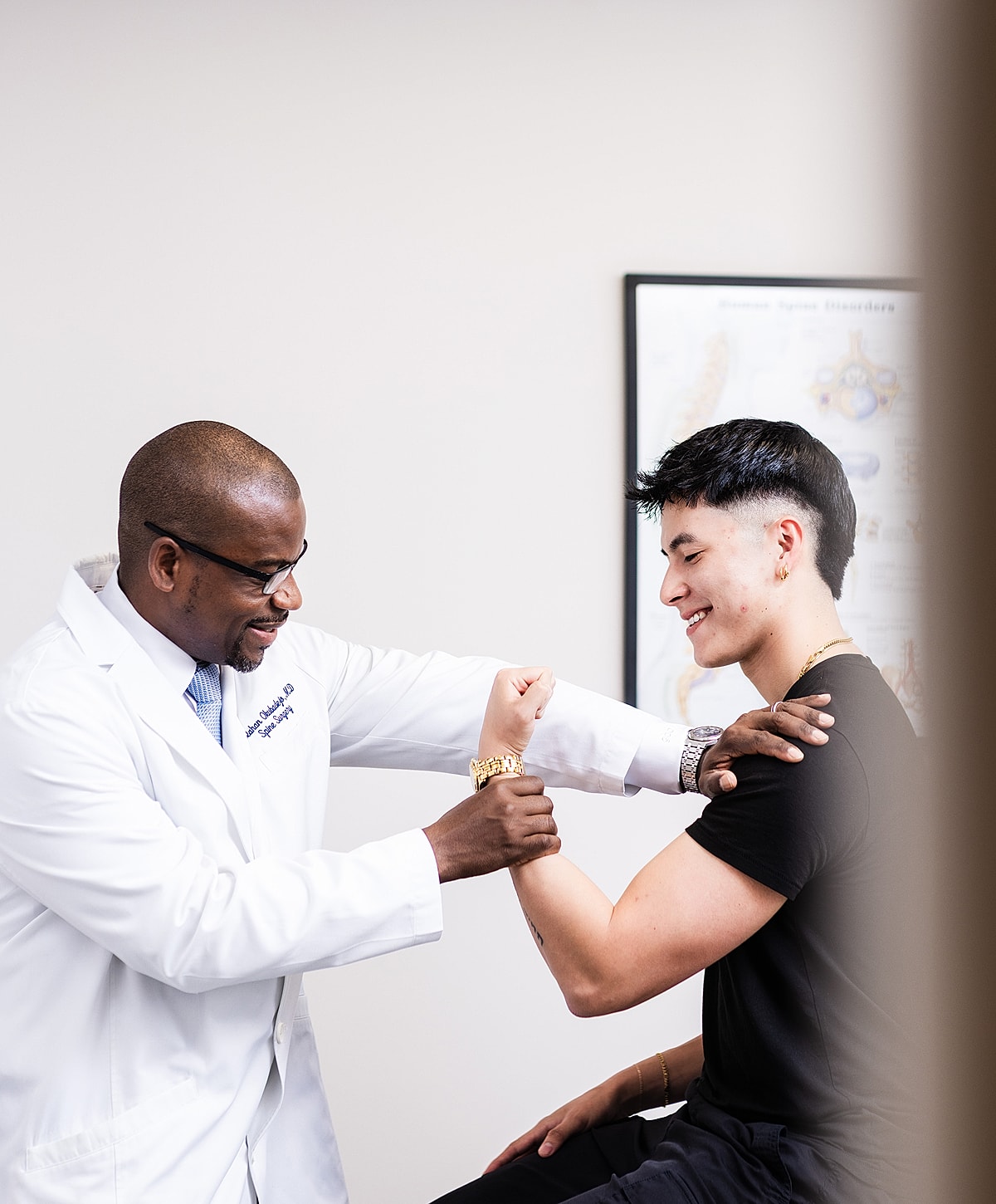
Dr. Okubadejo will begin by performing a detailed physical examination to evaluate your muscle strength, reflexes, and sensory function to confirm which specific cervical nerve is affected. This is followed by a thorough review of your medical history, covering your symptoms of cervical radiculopathy, their onset, severity, and any previous conservative treatment attempted. He will then review any existing magnetic resonance imaging (MRI) or previous medical records; if necessary, new diagnostic imaging will be ordered to confirm the cause of the nerve compression. Based on this comprehensive diagnosis, a personalized treatment plan will be proposed, detailing the clinical rationale for either a nonsurgical treatment option or surgical intervention.
To make the most of this visit, patients should bring copies of any recent imaging or records, prepare a list of all current medications (including supplements), and be ready to describe the exact location and nature of their cervical radiculopathy pain. You should also prepare a list of questions you have about the condition, the recommended treatment plan, and expected outcomes.
Effective treatment for cervical radiculopathy depends entirely on the root cause, severity, and the patient's response to initial therapies. The majority of cervical radiculopathy cases experience significant improvement through conservative, nonsurgical treatment options, which focus on managing nerve inflammation, stabilizing the spine, and improving functional movement. The aim of conservative treatment is to relieve pain and allow the affected nerve root to heal naturally.
When persistent cervical radiculopathy pain, muscle weakness, or other symptoms fail to respond to a non-surgical plan, surgical decompression may be recommended. The goal is to physically relieve pressure on the spinal nerve and, when necessary, stabilize the cervical spine. Dr. Okubadejo is a highly skilled spine surgeon who prioritizes patient safety and optimal results.
This is a cornerstone of conservative treatment. A physical therapy regimen focuses on strengthening the neck muscles, correcting poor posture, and increasing flexibility. Your physical therapist helps gently increase the space around the compressed nerve and retrain the body to move without nerve root irritation. Cervical traction or the use of a soft cervical collar may be used temporarily relieve pressure.
These include oral anti-inflammatory drugs or muscle relaxers used to control pain and swelling. The goal is for pain decreases, allowing the patient to participate fully in physical therapy.
When oral medications are insufficient, cervical epidural steroid injections (epidural steroid) can be used. This procedure delivers a potent anti-inflammatory agent directly into the epidural space near the affected nerve, often providing rapid and substantial pain relief and proving an effective radiculopathy treatment.
A very common procedure where the bulging or herniated disk causing the nerve compression is removed (discectomy). The space is then stabilized to allow fusion, preventing further instability.
An alternative that involves removing the damaged spinal discs and replacing it with an artificial device, preserving motion at that level of the neck.
Procedures that remove a small section of bone to directly widen the space for the spinal nerve roots, relieving compression caused by bone spurs or thickness. Dr. Okubadejo utilizes minimally invasive spine surgery techniques for many of these procedures, leading to smaller incisions and potentially faster recovery.

The timeline for results and recovery is defined entirely by the type of treatment received. For nonsurgical treatment options, results can begin within days or weeks. For cervical epidural steroid injections, pain decreases often felt within 48 to 72 hours, while steady improvement from physical therapy is typically seen over four to six weeks. There is generally no formal recovery process required with these conservative methods, allowing most patients to continue daily activities with minor modifications.
In contrast, surgical treatments (e.g., ACDF, Disc Replacement) involve a phased recovery. While pain relief from nerve decompression can be felt almost immediately, the recovery process begins with immediate post-operative mobility, with patients often discharged the next day. The final results, the point where the fusion is fully healed, and function is restored, typically take three to six months, with steady functional improvement seen throughout this period.
The long-term success of both surgical and radiculopathy treatment is reliant on good aftercare and maintenance, which includes consistently following the post-operative physical therapy protocol and embracing lifestyle modifications such as maintaining a healthy weight and practicing proper posture. These steps prevent undue stress on the cervical spine, extending the benefits of the treatment for years to come.
Your investment in your health depends on the specific solution we choose together. Non-surgical tweaks represent a lower price point, while procedures involving implants or multiple procedures require a different investment. We provide a clear estimate based on the tools and time needed for your best result.
My team helps you handle the insurance side of things; we work with most major plans, including PPOs, HMOs, and Medicare. If you have concerns about finances, come in for an evaluation. We will find a solution because our priority is getting you better.
See what our patients have to say about their experiences with Dr. Okubadejo.
★★★★★
At The Institute for Comprehensive Spinal Care, we recognize the significant consequences of cervical radiculopathy on your everyday life. Whether it hampers your work, limits your physical activities, or prevents you from living without pain, we are dedicated to offering the tailored treatment you require to alleviate this condition.
Dr. Gbolahan Okubadejo is a highly regarded spine surgeon practicing in the NY/NJ metropolitan area, where he heads The Institute for Comprehensive Spine Care.
Dr. Gbolahan Okubadejo, MD, FAAOS, brings over 20 years of experience as an orthopedic surgeon. His philosophy is straightforward: your quality of life is what matters. At the Institute for Comprehensive Spine Care, we provide the high-level expertise of a large hospital with the personal touch of a private practice. We evaluate your risk factors and lifestyle to ensure your treatment fits you perfectly.
In addition to his clinical practice, Dr. Okubadejo is actively involved in research and has been recognized with numerous awards. He champions preventive care and minimally invasive procedures, while prioritizing patient education and shared decision-making.
With multiple locations in NY and NJ, our team at the Institute for Comprehensive Spine Care is committed to providing comprehensive solutions for individuals suffering from cervical radiculopathy. Our experts are dedicated to evaluating each patient’s unique situation and tailoring the most effective treatment approach, whether it involves surgical interventions like cervical spine surgery or conservative therapies.
We understand the importance of accurate diagnosis. That’s why we employ state-of-the-art diagnostic technologies to precisely identify the nature and extent of cervical radiculopathy. By combining these advanced tools with our extensive expertise, we can develop a personalized care plan that aligns with your specific needs and goals.
Don’t let cervical radiculopathy limit your daily activities or cause you unnecessary pain any longer. Take the first step towards relief by scheduling a consultation with us today. Trust in our expertise and compassionate approach as we strive to alleviate your symptoms and restore your well-being to its fullest potential.





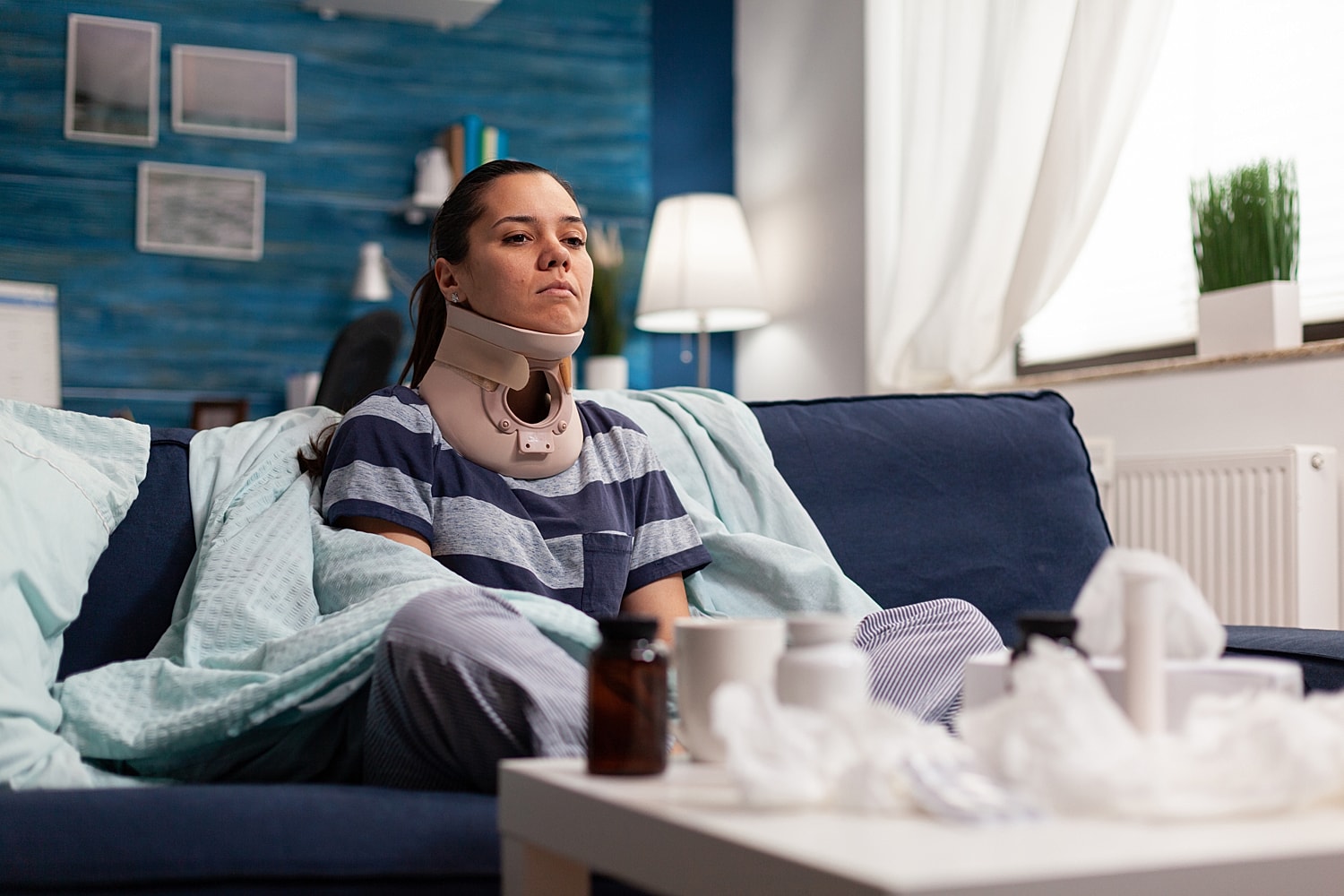
Cervical radiculopathy is often caused by herniated discs, degenerative disc disease, bone spurs, or spinal stenosis in the cervical spine. These conditions can put pressure on the nerve roots, leading to symptoms of radiculopathy.
Symptoms of cervical radiculopathy may include pain that radiates from the neck to the shoulder, arm, or hand, numbness or tingling in the same areas, muscle weakness in the affected arm or hand, and a decrease in reflexes. The specific symptoms experienced can vary depending on the location and severity of the nerve compression.
In some cases, mild or moderate cervical radiculopathy symptoms may improve with conservative treatments and time. However, we recommend that you come in for a consultation for an accurate diagnosis and appropriate cervical radiculopathy treatment to prevent further progression of the condition and to manage symptoms effectively.
While it may not be possible to prevent all cases of cervical radiculopathy, certain measures may help reduce the risk or minimize symptoms. These include maintaining good posture, practicing neck exercises to strengthen the muscles, avoiding excessive strain on the neck, and adopting ergonomic work and lifestyle habits.
Cervical radiculopathy and carpal tunnel syndrome are separate conditions that can cause similar symptoms in the arm and hand. Cervical radiculopathy is caused by compression or irritation of nerve roots in the neck, while carpal tunnel syndrome results from compression of the median nerve in the wrist. This is why it is important to get an accurate diagnosis to determine the underlying cause of symptoms and if cervical radiculopathy treatment is right for you.
In some cases, especially if the underlying cause is not fully addressed or if there are ongoing factors that contribute to nerve compression. Regular follow-ups with our team are important for the ongoing management of cervical radiculopathy.
Many people with desk jobs feel ready to return within a week or two. If your job involves physical labor, we will discuss a longer timeline to keep your neck safe.
Yes. I always start with the most conservative options first. Surgery is a specialized tool used only when your body requires that specific level of intervention.
I perform most of these as outpatient surgical procedures. You typically come in, we fix the issue, and you go home the same day.